Showing posts with label interview. Show all posts

Wednesday, March 18, 2026

Interview with Irfan Kathiriya: How to Make or Break Your Heart

By: Sahiti Namburu School: Terra Linda High School


Dr. Kathiriya is a pediatric cardiac anesthesiologist and Professor of Anesthesia at the University of California, San Francisco who specializes in congenital heart defects at UCSF Benioff Children’s Hospital. Congenital heart defects are structural problems that affect the cardiovascular system, the heart's ability to pump blood effectively. His research focuses on how the human heart develops from a simple tube into a complex four-chambered organ and what goes wrong during this process. Congenital heart defects are one the of the most common types of birth defects, affecting about 1% of newborns. Dr. Kathiriya presented his findings during a Marin Science Seminar presentation on March 18, 2026, titled “How to Make or Break Your Heart.” He introduced how specific genes guide heart cell organization during development. His work aims to improve the diagnosis, treatment, and long-term outcomes for children born with heart conditions.


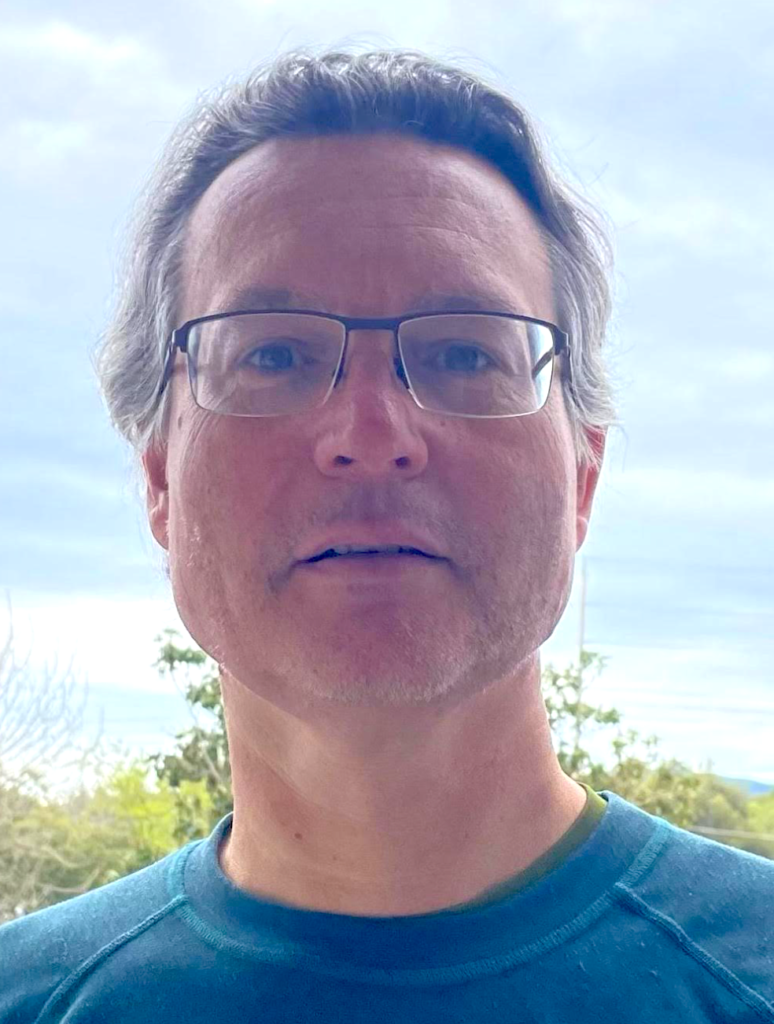
Irfan Kathiriya

1. What initially motivated you, as a pediatric cardiac anesthesiologist, to focus your research on infants with congenital heart disease? Was there a particular experience, patient interaction, or scientific discovery that shaped your path? 


My interest in congenital heart defects began when I was a graduate student in the laboratory of Dr. Deepak Srivastava, where I focused on how important genes work together to develop the heart before birth. During that time, a colleague, Dr. Vidu Garg, was studying families affected by congenital heart defects to understand how some of these defects could be inherited. He uncovered mutations in a gene called GATA4, which happened to be one of the genes I was studying. I helped reveal how those mutations changed the gene’s functions. These discoveries showed me how basic science could help explain how disease happens in patients, and how studying patients could help us better understand basic biology. Since then, my research has been guided by the links between congenital heart defects in patients with congenital heart defects and the biology of heart development.

2. What are some specific advancements or breakthroughs that have significantly improved patient outcomes, and how have these changes impacted your own work? 

A breakthrough in caring for newborns with serious congenital heart defects was the development of synthetic prostaglandins. For some newborns with critical heart disease, this medication can keep open a small blood vessel, which is essential for circulation and gives physicians valuable time to stabilize babies and plan life-saving treatment or surgery. Advances like this have improved survival for infants with complex heart defects. Over time, improvements in diagnosis, medical management, intensive care, surgery, anesthesia, and postoperative care have all helped children do much better than they did in earlier generations.

3. In your clinical and research experience, have you noticed any changes in the rates of congenital heart defects and severity over time?

Congenital heart defects are still the most common type of birth defect, and their frequency has not really changed. What has changed is our ability to detect them earlier and more accurately. With better prenatal imaging and newborn screening, pediatric cardiologists find many heart defects that might once have gone unrecognized. This has contributed to improvements in survival. Many children born with serious heart defects are now living longer and healthier lives because of advances in medical and surgical care. As a result, we now care for more children, teenagers, and adults living with congenital heart defects than ever before.


4. Does the timing of when a heart defect develops during embryonic growth influence how serious the defect becomes? 

Timing is important. The heart is one of the first organs to form in pregnancy, by a carefully orchestrated series of steps. If something disrupts that process at an early stage, it can sometimes lead to a more complex heart defect. If the disruption happens later, the problem may be more limited, depending on which part of the heart is developing then. However, timing is only one part of the story. The seriousness of a heart defect also depends on which structures may be affected, how much blood flow is altered, and if other genetic or developmental factors may be involved.

5. Once a heart defect forms during development, is there any stage where it can naturally correct itself, or is medical intervention always required?

Some heart defects can improve on their own. For example, small holes in the heart may sometimes close naturally as a baby grows. In those cases, careful monitoring may be all that is needed. However, many congenital heart defects do not correct themselves and require medical treatment, a procedure, or surgery. It depends on the type of defect and how much it affects the heart’s function.


Personal Reflection: Learning about congenital heart defects was especially interesting to me because I never fully understood what the term actually meant or how serious these conditions can be. Hearing about how the heart develops during early pregnancy and how small genetic changes can affect that process helped me realize the importance of this research and the impact it has on families. I also found the presentation personally meaningful because I know someone who needed a heart transplant shortly after birth. Being able to connect what I learned to a real life story made the topic feel much more personal and impactful. Overall, the talk gave me a greater appreciation for the advances in medicine and research towards these efforts.

Tuesday, March 17, 2026

Interview with Paloma Siegel: Water as a History Book: Stories Hidden in Alaska's Glaciers

By: Linden Levy     School: Terra Linda High School (MSEL)


Paloma Siegel

On Wednesday, January 28, 2026, the seminar was hosted by Paloma Siegel and titled Water as a History Book: Stories Hidden in Alaska’s Glaciers. Paloma Siegel is a PhD candidate at the University of Boulder, Colorado, and a graduate of Terra Linda High School's Marin School of Environmental Leadership (MSEL). Her talk discussed how ice coring works and all the things Isotopes can teach us, as it is her specialty. She also explored everything from how glaciers are formed on the molecular level to how they can help us learn all about climate change by studying their layers.


Glaciology is the study of the internal dynamics and effects of glaciers. But Siegel's specific area of study is ice coring. Ice coring is drilling with special machines into glaciers to specific depths, and then they ship the ice cores around the world to labs that can study them, or they study the cores themselves. Through special machinery and with the help of professionals, they can assign the different layers of ice to a year or a time in history. This is used to reconstruct what old climates looked like over thousands of years, and this can help us to predict future climates.

Perito Moreno Glacier

1. What would someone be surprised to know about glaciology?

Glaciology is a fascinating field with a ton of variety in science, region, and focus. Glaciers exist on all continents except Australia and can even exist near the equator in high mountainous regions. The thickest glaciers in the world exist in Antarctica, where the ice can reach 4.9 km (over 3 miles) deep (Windnagel et al., 2023)! And although glaciology as a discipline dates back to approximately the early-mid 1800s, the American McMurdo Station in Antarctica was not established until 1955, with US women first allowed to attend McMurdo in 1969 (Klein et al., 2008, “Women in Antarctica”).


2. How do you imagine glaciology changing as our world evolves due to climate change?

- In our current world changing quickly due to climate change, I imagine that glaciology will become less focused on fieldwork and international travel and more focused on remote sensing, modeling, and computer-based work. These are already prominent fields within glaciology today, but as field sites may become more inaccessible, this shift may start to occur more broadly.


3. As someone who works in Alaska studying glaciology, do you think that we can bring back some, if not all, of the glaciers that have melted?


- Within our lifetime, it is unlikely that Alaskan glaciers will return to their original size at the beginning of the 20th century and prior. The glacier loss that has already occurred is tremendous, with melt and ice loss increasing each year (Zemp et al., 2019). On longer timescales, Alaskan glaciers may rebound and continue to grow, but this may not be for a very long time.


4. To someone who aspires to enter a scientific field, especially a young woman, what advice would you give them?

- My advice to any woman seeking careers in science is to surround yourself with a kind, supportive community of people that value your independent intellectual growth and, most importantly, you as a person. Each field poses its own challenges to women, but within each discipline you can find fantastic mentors, labs, collaborators, and fellow students. I would advise any woman to continue pursuing her interests, regardless of the challenges that may come her way, and remind herself that she is meant to be in the rooms she is in, no matter what.


5. How did your time at the Marin School of Environmental Leadership impact your college career?

- My time as an MSEL student really guided me towards project-based environmental science. I have always been interested in working in an environmental field, but I really found my focus while in high school as an MSEL student. The emphasis on combined group projects, individual presentations, and independent internships provided me with a suite of valuable skills I’ve taken into my career now. Mostly, I think my time at MSEL taught me how to ask critical questions and seek advice from mentors.


6. Do you have hopes of passing any laws or policies in the future, considering that it can be difficult to remain optimistic with so many challenges in this field?


-As a research scientist, my aim throughout my career is not to create or write legislation. Rather, my hope is to contribute to relevant science that will inform future regulations and laws concerning climate change mitigation, conservation, and adaptation.

-Want to learn more about what Paloma does? click here

Personal Reflection:  In attending this Marin Science Seminar, I really enjoyed learning about a topic I didn't previously know existed. Personally, I aspire to become a marine biologist, and in hearing Paloma talk about her experiences, especially since we have similar beginnings, as we both have or will graduate from MSEL, and we were raised in the same town. Even though glaciers aren't exactly the same as the ocean, I gained a new understanding and respect for all forms of water and all the wonderful things it can teach us.


Further Reading from Paloma:
-Klein, Andrew G., Mahlon C. Kennicutt, Gary A. Wolff, Steve T. Sweet, Tiffany Bloxom, Dianna A. Gielstra, and Marietta Cleckley. “The Historical Development of McMurdo Station, Antarctica, an Environmental Perspective.” Polar Geography 31, no. 3–4 (September 2008)

-Windnagel, Ann, Regine Hock, Fabien Maussion, Frank Paul, Philipp Rastner, Bruce Raup, and Michael, “Which Glaciers Are the Largest in the World?” Journal of Glaciology 69, no. 274 (April 2023)

-“ Women in Antarctica | NZ History. Zemp, M., M. Huss, E. Thibert, N. Eckert, R. McNabb, J. Huber, M. Barandun, et al.

- “Global Glacier Mass Changes and Their Contributions to Sea-Level Rise from 1961 to 2016.” Nature 568, no. 7752 (April 18, 2019)

-Windnagel, Ann, Regine Hock, Fabien Maussion, Frank Paul, Philipp Rastner, Bruce Raup, and Michael Zemp. “Which Glaciers Are the Largest in the World?” Journal of Glaciology 69, no. 274 (April 2023)

Sources:
-Glacier photo from Tripadvisor

Learn more about Marin Science Seminar here:
MarinScienceSeminar.com

Wednesday, January 14, 2026

Interview with Taren Bouwman: Fantastic Fungi: uses for Environmental Sustainability and Carbon Sequestration

By: Sahiti Namburu    School: Terra Linda High School

On Wednesday, January 14, 2026, the Marin Science Seminar hosted Fantastic Fungi: Uses for Environmental Sustainability and Carbon Sequestration, presented by Taren Bouwman, a Ph.D. candidate at the University of Hawai‘i Mānoa and a graduate of Terra Linda High School’s Marin School of Environmental Leadership (MSEL). His talk explored the ways fungi act as hidden heroes within ecosystems, highlighting their potential to help address climate change through environmental sustainability.

Mycology is a part of biology that focuses mainly on fungi, as well as some mushroom and yeast. Bouwman’s research centers on lichens, which is a result of a symbiotic relationship between fungus and alga/cyanobacteria, and functions like a single unit. They can thrive in harsh environments and come in many different shapes and forms. A major theme of his talk included carbon sequestration - a process that captures and stores carbon dioxide from the atmosphere. While past methods, such as iron seeding (adding iron into oceans to stimulate algae growth), have shown limited effect, Bouwman’s work explores how using lichen could provide an alternate yet sustainable/successful way to store carbon.


1. What first inspired you to study mycology, and was there a specific experience that further expanded your interest in this field?


I actually became a mycologist on accident, I was more interested in molecular biology and carbon sequestration and after a lot of research in the field I found that Fungi are a novel use for carbon sequestration.


2. What part of your current research do you think has the greatest potential to influence how we understand and combat climate change in the future?


I am actively researching how Fungi are involved in making large biomass particles. Examining differences between different fungi biological makeup and their propensity to sink. I also examine how algae and fungi interact and the evolutionary path of lichens


3. Nutrient cycling is an essential process in ecosystems where elements like carbon, nitrogen, phosphorus, and more are renewed back into the environment. What is the most common type of decomposer fungi in ecosystems, and what role do they play in nutrient cycling?


Fungi are key for waste recycling, the most common type of fungi is dependent on the ecosystem. They are essential for breaking down materials. They are usually breaking down complex molecules into simple ones that can be utilized by primary producers, recycling the nutrients.


4. Carbon sequestration is a method to capture and store carbon dioxide from the atmosphere to reduce the effects of climate change. What are the ecological risks or unintended consequences of large-scale algae growth in the ocean, especially when it’s used for carbon sequestration?


There are many theories for what mass growth of algae in the open ocean will do, primarily with losing biodiversity. It is incredibly important to study algae cultivation at a small and reversible scale before mass adoption so that negative side effects can be minimized.


5. In your talk, you mentioned iron seeding as a proposed method for ocean-based carbon sequestration that has shown limited success. How does your research on lichens offer a different or a more effective approach to long-term carbon storage?


In my talk I discuss fungi as the next step in this process by potentially promoting downward carbon flux. This idea has not been examined yet so it remains to be determined if it will be successful. This is my primary research.


Personal Reflection: Attending this Marin Science Seminar deepened my understanding of how fungi contribute to environmental sustainability. Before the talk, I thought of fungi mainly as decomposers, and I never realized they could be used to help remove carbon dioxide from the atmosphere. Learning about lichens and the symbiotic relationship between fungi and algae made it especially interesting to see how these organisms could play a pivotal role in carbon sequestration. The comparison between iron seeding and lichen-based approaches highlighted the importance of using natural systems that already function effectively. Overall, the seminar increased my curiosity about how overlooked organisms can offer innovative solutions to major environmental challenges.


Learn more about the Marin Science Seminar here: https://marinscienceseminar.com/ 


Additional Information about Fungi and Taren Bouwman: https://marinscienceseminar.com/fantastic-fungi-uses-for-environmental-sustainability-and-carbon-sequestration/


Monday, February 10, 2025

Aurora Watercolor: Auroras & Solar Storms Seminar

By Maddie Leung, Redwood High School

    I painted this watercolor after being inspired by the incredible photos Dr. Laura Peticolas showed at her seminar, "Auroras & Solar Storms". She showed the audience a variety of auroras from all over the world: breathtaking ribbons of light, diffused auras of pink and green, and colorful streaks set against an inky sky.

    I could brush up on the composition of my work, but overall it was fun trying a wet-on-wet technique with the sky to achieve that streaky look of the auroras. In any case, it was fascinating to learn how this nighttime phenomenon occurred. We explored Earth's magnetic fields and auroras, including how auroras form from solar activity and where they appear. Dr. Peticolas also shared her experience with finding her passion and how that guided her education and career journey. Now, enjoy some fun aurora facts!

View from the International Space Station (Image Credits: NASA)


1. Astronauts Can See Auroras From Space
Astronauts aboard the International Space Station have captured incredible images of auroras from orbit. Satellites and space probes have also observed auroras on Earth and other planets like Jupiter and Saturn. From space, auroras appear as swirling bands of green, red, and purple lights over the poles. Dr. Peticolas explained that astronauts sit in the Copula Module where they have a clear view of space and are able to take pictures. 

2. They Are Created By Solar Storms & Winds
The northern lights occur when charged particles from the Sun’s solar wind interact with Earth’s magnetic field, getting drawn into the poles and colliding with gases like oxygen, hydrogen, and nitrogen in the atmosphere. These collisions release energy as light when they cool down after being "excited", creating the aurora’s glow. The most vibrant displays happen during solar storms, when massive bursts of plasma (which are made up of electrons and protons), are chucked from the Sun and travel through space, carrying their own magnetic fields. 

5. Aurora Can Be 50 - 370 Miles Up In The Sky

Auroras can occur at altitudes ranging from 50 to 370 miles above Earth’s surfaceTheir altitude depends on the type of charged particles from the solar wind and how they interact with different atmospheric gases, which also influences the colors seen in the auroral display. If you were to drive up to the average aurora 200 miles up in the sky, it would take you two and half hours to get there going eighty miles an hour. 


3. They Look Different In Real Life 
In low-light conditions, our eyes rely more on rod cells, which are good at detecting motion and shapes but not color. This means auroras may appear as faint green, gray, or whitish streaks to the naked eye. Cameras, on the other hand, have long exposure settings and can capture more vibrant colors, such as deep greens, purples, and reds. Dr. Peticolas shared a funny story about her sister not being able to see the auroras in her backyard until she took a picture of them- so don't be fooled by the dramatic pictures!

5. Auroras Occur on Other Planets 
Auroras aren't exclusive to Earth; they've been observed on other planets in our solar system, such as Jupiter and Saturn. These auroras are often much more intense than those on Earth due to stronger magnetic fields and different atmospheres.


Interested in learning more about auroras? Visit https://science.nasa.gov/sun/auroras/

Sources
NASA. (2025, February 4). Auroras - NASA Science. NASA. https://science.nasa.gov/sun/auroras/

Dobrijevic, D., & Waldek, S. (2022, March 13). Northern Lights (Aurora Borealis): What they are and how to see them. Space.com. https://www.space.com/15139-northern-lights-auroras-earth-facts-sdcmp.html#:~:text=Auroras%20tell%20us%20many%20things,and%20how%20it%20changes%20dynamically.

10 awesome Aurora Facts. 10 awesome aurora facts - Social Media Blog - Bureau of Meteorology. (n.d.). https://media.bom.gov.au/social/blog/1114/10-awesome-aurora-facts/

Notes taken from Dr. Laura Peticolas' seminar "Auroras & Solar Storms" 


Photos by NASA.gov on Commons.Wikimedia.org and may be used for educational purposes with credit


Wednesday, October 9, 2024

When Tides Turn: Embracing Change in California’s Wetlands - an Interview with Julie Gonzalez, Ph.D

By Maddie Leung, Redwood High School

California boasts 2.9 million acres of wetlands, with 90% of the remaining tidal wetlands in the San Francisco Bay1. Wetlands are some of the most dynamic and essential ecosystems on the planet, supporting biodiversity, filtering water, and helping combat climate change by acting as powerful carbon sinks. But as sea levels rise and invasive species spread, these habitats face mounting pressure. Dr. Julie Gonzalez, who earned a Ph.D. from UC Davis in Ecology, is researching how these ecosystems adapt to climate change and how we can protect them. In this interview, she shares what makes wetlands so fascinating, the biggest challenges they face in Marin, and how we can all play a role in their preservation.

Dr. Julie Gonzalez

1. Wetlands play a crucial role in supporting biodiversity and protecting our environment. What aspects of these ecosystems do you find the most fascinating?

I’m amazed by how everything in a wetland is connected. Each part of the system, from the plants and animals to the water and soil, works together and responds differently to environmental changes. My work focuses on figuring out how these systems react to different challenges. By understanding this, we can figure out the best ways to maintain and improve wetland health now and in the future.


2. What are some of the biggest challenges estuaries and wetlands in Marin currently face?

Two big challenges are invasive species and sea-level rise. Invasive species are plants and animals that move into wetlands and can sometimes harm local ecosystem functioning by outcompeting native species. On top of that, sea-level rise is a challenge we have to plan for. Wetlands are amazing at adapting, but these two issues create a lot of pressure. My goal is to study how they affect wetlands to plan for a future where these ecosystems are better protected.


3. Have you observed any changes in the health or size of Marin’s wetlands over the past few years?

Suisin Marsh (Image by Steve Martarano)
Yes! Being part of the wetland science community in San Francisco Bay is exciting because we’ve seen a lot of positive changes recently. Many restoration projects have helped improve the health of wetlands around the Bay. While things like sea-level rise and invasive species can feel overwhelming, it’s inspiring to see how much progress is being made through the hard work of scientists and land managers.

4. You mentioned that the National Estuarine Research Reserve System (NERR) collects data from estuaries and wetlands around the U.S. How is this information utilized to benefit our local wetlands?

The NERR system is a network of wetland scientists and managers all over the country. We share ideas and learn from each other. For example, if a reserve on the East Coast finds a creative way to deal with an invasive species, we can see if that approach would work here in the Bay Area. Similarly, we share our successes so other reserves can learn from what’s working in California.


5. How can the local community get involved in wetland preservation?

There are so many ways for people to help! Organizations like Save the Bay host community events where you can help plant native wetland species or remove invasive plants. These hands-on activities are a great way to connect with nature and make a real difference in protecting our local ecosystems.


You can watch Julie Gonzalez and Becca Moris' seminar here: https://vimeo.com/1022368761


Interested in protecting the wetlands? To get involved with your community and conserve your local ecosystem, visit https://savesfbay.org/


Photo of Dr. Julie Gonzalez from LinkedIn. "Suisin Marsh Overlook" by Steve Martarano is licensed under CC BY 2.0. 

1 GREENING THE BAY FINANCING WETLAND RESTORATION IN SAN FRANCISCO BAY. (2019). Save the Bay.


Thursday, September 19, 2024

An Interview with Eric Rubenstahl about "Marin Agricultural Land Trust: Stewarding Marin’s Working Lands”

By Maddie Leung, Redwood High School

What if the key to our future lies in the very land we stand on? Eric Rubenstahl, the Associate Director of Stewardship at the Marin Agricultural Land Trust (MALT), has turned his love for the outdoors into a career focused on land preservation. Land conservation includes various practices aimed at protecting our natural resources, promoting biodiversity, and ensuring that land is used sustainably for future generations. This work involves collaborating with family-owned farms to create conservation easements, encouraging responsible land management, and restoring habitats that support local wildlife. As he addresses the challenges of climate change and urban development, Eric is dedicated to finding creative solutions that balance environmental health with community needs. In this interview, he shares his journey into conservation, the important work MALT is doing to adapt to our changing climate, and how we can all help preserve the landscapes we cherish while supporting thriving communities. Let’s explore what it really takes to protect our land for future generations!

1. What inspired you to pursue a career in land preservation, and what advice would you offer to someone interested in this field based on your previous experiences?

From a young age, the forests and open space that surrounded where I grew up in Connecticut provided strong foundational memories. The trail systems and forested hills served as a place of adventure, learning, and connection to people and place. I wanted to turn my connection with the outdoor world into a career path, so I concentrated my studies during college on environmental science and geography. After graduation, I had several jobs in Utah and Colorado focused on conservation work. After about six years of working, I enrolled in the Conservation Leadership program at Colorado State University. This graduate program was more of a professional track vs. a more traditional research track and helped narrow my career focus to the human dimensions of natural resource management. I would encourage students to enroll in college programs that help develop technical skills for working in conservation and the crucial soft skills of collaborating with people and teams. Programs that train students to work at the nexus of people and the natural environment are becoming more prevalent. Having an internship or finding an entry-level position early in one’s career can be informative and provide insight and context to the world of working in conservation.

2. From MALT's founding in 1980 to today, our understanding of climate change has significantly expanded. Has climate change shaped MALT's work and focus over the last 20 years, and how?

Yes, MALT has a heightened awareness of the shifting climate and threats that result from recent climate trends. For example, increased temperatures and longer periods of drought are events that the community has observed. MALT is working within five pillars that guide our work: 

1) Preserve Agriculture

 2) Protect Biodiversity 

3) Build Climate Resilience 

4) Connect our Community and 

5) Strengthen the Organization. 

These five pillars are all interconnected, but the “Build Climate Resilience” pillar most

Marin County landscape
Marin County (Image by Mike McBey)
squarely addresses the shifting climate. Some of our work within this pillar includes providing )technical assistance and funding to farmers and ranchers to plan, design, and implement climate-smart solutions into their ranch operations. MALT supports and encourages durable solutions to help reduce economic barriers while increasing climate and operational resilience.

3. With MALT's vision of improving both the well-being of the ecosystems in Marin and the financial security of farm operations, are there any instances where these two priorities come into conflict with each other? If so, how have you approached them?

As part of the process of acquiring a conservation easement, MALT creates an Agricultural Management Plan to help understand the carrying capacity of the land. MALT works closely with the landowner and a certified rangeland manager to discuss the agricultural capacity of the landscape. We also discuss what other opportunities exist to help diversify income streams for the ranch. Our goal is to outline a guiding document that harmonizes the ecological, agricultural, and economic goals of the ranch. We promote healthy and diverse ecosystems with thriving wildlife habitats while the producer works the land creating nutrient-rich wholesome food for the region.

4. What does success look like for MALT in ten years? How do you measure success in your field of work?

There are many ways to measure success at MALT. If the community is thriving, growing, innovating and ranches are maintaining healthy agricultural production rates, then MALT is successful. From a programmatic standpoint, if MALT is closing one to three conservation easements per year, we consider that successful land protection. MALT also has a tangible impact through our stewardship grant work. Success can be measured by the amount of dollars invested into ongoing conservation projects or the impact of those projects. For example, how many miles of riparian fence or how many livestock water systems were installed could be two impact-based metrics to measure success. Other forms of success come in softer forms such as the strength of our relationships with the agricultural community, our donors, and the public. Success is measured in how people receive our message and the interaction we have with the broader regional community and beyond. Success is when the public receives a clear, accurate message of our conservation work and when we are fully supporting a thriving and economically stable working landscape in West Marin.

5. How do you think communities should balance the growing need for affordable housing and land preservation? Are there certain areas that are more appropriate for building?

Affordable housing and land conservation are both important for our survival and lifestyle. There are existing systems and policies at the county level that help guide a lot of this work. If those systems and policies are not balanced, or they are not accomplishing the goals, then they should be reevaluated. Zoning is another key factor that can help shape the land use. Historically in Marin County, the area straddling the Highway 101 corridor is flatter and has high-density residential zoning. The steep, hilly topography of the central part of the county serves as a challenge for building affordable housing. In addition, a lot of the land is owned by public agencies such as Marin Municipal Water District and Golden Gate National Recreation Area. At MALT we promote safe agricultural worker housing in good condition to sustain the ranch operation. We also value when structures and homes are clustered. This philosophy could be effective in a broader sense too, where housing is clustered and built in areas that have been identified by the county as smart growth zones.

You can watch Eric Rubenstahl's Marin Science Seminar presentation here: https://vimeo.com/1014183576  

To learn more about the fascinating topic of Marin County's land preservation and the Marin Agricultural Land Trust, visit their website at malt.org 

Visit marinscienceseminar.com to view upcoming seminars and Eric Rubenstahl's event summary. 

Photo of Eric Rubenstahl from malt.org. "Marin County" by Mike McBey is licensed under CC BY 2.0.


Monday, May 20, 2024

"Getting a Grip on Geysers"- An Interview with Mara Reed

by Lorena Salvado, San Marin High School 

Geysers are one of the most fascinating geological phenomenons- with only a few 1000 on our planet, each requires specific conditions of magma streams, water, and geological networks to work. Most of today's geysers were formed 14,000 years ago- after the last glacial era of our planet. They operate under very intricate conditions-with lots of mystery around their exact workings, which is why Mara Reed became intrigued by them. Reed is a Ph.D. candidate at UC Berkeley's Department of Earth and Planetary Science, and she works at geyser sites - mainly in Yellowstone National Park- spending her days researching and collecting data. She came to Marin Science Seminar on Wednesday February 7th, 2024 and gave a talk about the current research concerning geysers as well as their importance. In this interview, she will share a few tidbits about her work and give some advice. 

A picture of geologist Mara Reed, she is out in nature near some mountains wearing a yellow and blue beanie.
Mara Reed
What is your favorite geyser hike?

I enjoy hikes to the edge of Shoshone Geyser Basin in Yellowstone’s backcountry. If you hike in June or July, you’ll see incredible wildflowers along the way. It can be done as a long day hike (18 miles round trip) but most people choose to backpack. The trail passes by some interesting geyser formations. Just be sure to stay on the path, for your safety and the protection of the thermal features.


How much of your time is spent out in the field versus in the lab, which part do you like more?

I actually do my best to stay out of the lab! Most of my work involves spending just a couple weeks in the field every year, and then spending the rest of the time managing, analyzing, and writing about the field data. I find the lab work that relates to water chemistry or rock properties very “fiddly,” and would rather be outside.

How does geothermal energy collection affect geysers (In Iceland or other locations)?

There is almost always a negative effect, whether from large scale power production (like in Iceland and the US) or from smaller scale heating (like in New Zealand). Geysers need water and heat to operate, and geothermal wells can take both of those things away. The US once had a few geyser fields in Nevada, including significant ones at Beowawe and Steamboat Springs, but geyser activity declined and then ceased after geothermal power production started. I think geothermal energy is necessary if we want to get away from fossil fuel reliance but I do hope the world’s remaining geyser fields stay protected.

Do you think that knowledge of geysers on planet earth could affect our developments or research on other planets ( i.e. Mars or the Moon)?

We do find geyser-like features on other solar system bodies, including Enceladus (moon of Saturn) and Europa (moon of Jupiter), but we think they  form and operate differently than geysers on Earth. I think hydrothermal areas and geysers are good laboratories to study how life lives and even thrives in extreme environments. We now know that there are microorganisms that live directly inside Old Faithful Geyser’s vent, which is pretty incredible. Understanding the present day life that exists in these environments can help us understand how life formed on our planet and where we might look for life elsewhere in the solar system.

How can the public help with geysers or geyser research?

We are very fortunate to have the world’s most concentrated geyser field in our backyard. The biggest thing people can do is to be a good steward of these areas. For visitors to Yellowstone, that means following the rules—keep to the trails and don’t mess with the geysers. It’s not just a safety thing. Geyser formations and bacteria mats are extremely delicate. Damage can be permanent. For anyone really interested in geysers and contributing to geyser monitoring, I would recommend reaching out to the Geyser Observation and Study Association (GOSA) for resources and tips on getting involved. Most geysers are still not monitored by scientific equipment, so visual observations of geyser activity are still a very important resource for scientists.

What's a piece of advice you would give to someone wanting to pursue a career in geyser research?

Since geyser science intersects with many different fields, it’s helpful to have a broad knowledge base. A solid foundation in physics, chemistry, and hydrogeology will serve you well. For those interested in pursuing scientific research in general, there are many opportunities at the college level. Some universities have strong undergraduate research programs (this is something to think about when choosing where to apply to college), but you can also apply for Research Experiences for Undergraduates (REU) programs where you can get paid to do research, usually over the summer at a certain university. Early exposure to research helps you figure out if you like doing it and what research questions interest you. 

A pictue of a geyser ( called Lion Geyser) taken by Mara Reed during a sunrise.
Lion Geyser picture by Mara Reed 

You can watch Mara Reed's Marin Science Seminar presentation here, "Getting a Grip on Geysers" with Mara Reed, Ph.D. candidate at UC Berkeley’s Department of Earth and Planetary Science

You can learn more about Mara Reed and her work here : https://www.marareed.com/

As well as check out her awesome photography here : photography  

License for all photos used : license 

And additional information used in this article can be found here , "USGS How do Geysers Work

Monday, April 29, 2024

An Interview with Wolfgang Schweigkofler Ph.D. of Dominican University—"Beware of the Aliens! Studies on Invasive Plant Pathogens at Dominican University"

by Julia Owens, San Marin High School

Dr. Wolfgang Schweigkofler

It is hard to find someone who has not watched a movie with aliens. ET? How about Walle-E? Star Wars probably counts. There are enthusiasts of extraterrestrial life and fanatics for the uncanny, yet there is not a lot of regard towards the aliens all around us.. likely in an ecosystem near you! Invasive organisms join the dark side to terrorize and wipe out native species. Oak trees, for example, are threatened by the pathogen "Phytophthora ramorum," which is researched by Dr. Wolfgang Schweigkofler at Dominican University. Dr. Schweigkofler presented about this pathogen to Terra Linda High School's Innovation Hub in San Rafael, California on March 20, 2024. We interviewed him to find out about his experience as a plant pathologist, professor, and scientist.


Sunday, November 19, 2023

"Archeology and Ecological Crisis: Lessons in Sustainability from the Past" – An Interview with Elic Weitzel of University of Connecticut

Nola Palestrant, Tamalpais High School

    Elic Weitzel is a human ecologist and archeologist at the University of Connecticut. He presented at Terra Linda’s Innovation Hub on October 25, 2023, to discuss his research with pre- and post-colonial White-Tailed Deer herds, and what their fluctuating populations can tell us about how the humans living in New England interacted with the environment. Following the arrival of Europeans, White-Tailed Deer populations decreased from 30 million to 300,000. This decline was largely a result of a decreased Native American population - which had previously performed control burns that optimized the environment for deer - and an increase in commodification. Mr. Weitzel’s research can be used as a foundation for us to reconsider our interactions with the natural world, with the ultimate goal of promoting sustainability.

Elic Weitzel

1. How did you become interested in Archeology? 
I've wanted to be an archaeologist since at least the age of 13. History and nature were always my two main interests, and I think a lot of that came from watching documentaries on TV as a kid. I loved the exotic locations that Steve Irwin and the Kratt Brothers would explore to find interesting animals, and I also loved History Channel programs about what life was like in ancient Egypt and Greece. So I think that combination of interests led me to archaeology at a young age. I'm not sure how I first learned what archaeology was (perhaps it was Indiana Jones?), but I quickly realized it was a career path where I could learn about history first-hand and also experience the thrill of exploring the natural world. I think the fact that I chose to specialize in the study of animal bones from archaeological sites also reflects these early influences.


2. What are some things that people can notice about the world around them that provide clues into the past? 
Most material clues into the past are invisible, as they're often buried in the ground, but we definitely take for granted all the ways in which the past can still be visible to us today, in one form or another. The names of the roads that we drive on are my favorite example of this. These often offer clues into what the landscape used to be like, recorded in names such as Indian Village Road, Old Mine Road, etc. Most people don't think twice about these sorts of things, but these place names are often a clue that there used to be a Native village or historical gold mine in the area. Some other clues require a closer look to interpret. For example, archaeologists have found that the plant species that grow around ancient archaeological sites are often different from the species which grow elsewhere. This is because people long ago modified the landscape around where they lived, either deliberately or inadvertently, and that legacy continues to shape today's ecosystems. Finally, you can sometimes find archaeological artifacts like arrowheads or pottery if you know what you're looking for. They often turn up in many different places since people have lived on the land for so many thousands of years. It's never good to take an artifact if you do find one, as removing artifacts from their context prevents archaeologists from learning anything about the past through them. But they do exist out there and many people accidentally encounter them.


3. What materials have been commodified by past societies that could increase our sustainability if we lessen their values? 
Most past societies never commodified anything. The process of taking something and exchanging it in a market economy to make money is a very recent development in human history. One can make an argument that certain societies in the past like the Romans may have engaged in a form of this activity, but the way that commodities are produced and exchanged in our world today only dates back around 500 years to the birth of capitalism in northwestern Europe. As such, most societies throughout time would likely have found such a behavior to be quite strange, and would be especially shocked at how such an economy functions. I certainly think the evidence suggests that commodification of natural resources and people's labor has led to a wide variety of problems in the world today, so I too find such a behavior to be quite strange. But regardless of what is being commodified and when, the key to promoting sustainability is to focus on meeting people's needs, not on making money. That's the trick to reducing the value of a commodity back to a more reasonable level: strip away the extra value it has to those despotic individuals in society engaged in exploitation and profiteering and get back to the basics of helping all people survive and thrive. For example, water has very high value to everyone since it's necessary for survival. But certain individuals and corporations often try to control water, prevent others from accessing it, and then charge high prices for access: essentially selling the water back to the people who live on top of it. Nestle has recently done this in California, sucking up all the groundwater reserves in certain areas to make money from bottled water sales. Archaeologists have found that in the past, many societies had very elaborate systems of managing water at the local community level. A lot of this research even comes from the southwestern United States. These systems of water management ensured that everyone could access water and that it remained sustainably available into the future. So the way to prevent despotic individuals and groups from artificially inflating the value of commodified resources is to prevent them from gaining control in the first place. I think the archaeological evidence suggests that the best way to do that is through strong, local democratic control of resources by relevant stakeholders.


4. What practices from pre-colonial Native Americans can we replicate today to create a more sustainable society?
In general, I wouldn't argue that we need to adopt practices from any past societies to promote sustainability in the present. I think the social, economic, and political contexts in which people used to live are not analogous to those we find ourselves in today, so many specific practices likely wouldn't transfer well. Sometimes something specific could be adopted, such as controlled burning of the landscape to promote ecosystem health. But I think more generally, we can be inspired to develop new sustainable practices by studying old ones. There is abundant evidence, for example, that sustainability in the past often occurred when groups of people managed natural resources and economic systems themselves on a local level. Outcomes were often unsustainable when outside groups of despotic individuals sought to control the resources, labor, and bodies of others for their own benefit. So based on that, I think the biggest thing that we can do today to promote sustainability is to implement stronger democratic control of the economy on a local level. Keeping things local means that people have a vested interest in sustainability since it directly impacts them, and keeping things democratic ensures that those stakeholders can govern their own lives and their own communities and prevent any selfish individuals from exploiting the group for personal gain. I don't think that we need to directly adopt a way of doing this from a thousand years ago, but the general principle remains the same: local democracy by stakeholders leads to far better outcomes for people and nature. As such, if we really want a sustainable society today, I think we need to take that lesson and implement it however we can in our own historical context. So, inspired by my research and that of others, I think worker co-ops, land trusts, and other forms of community governance are our best options to promote a sustainable future. These aren't things that past societies did specifically, but the general principles behind such practices were implemented to great success in the past and would likely be successful in the present as well.

5. What other peoples or practices from the past would you like to research that could provide insight to aid our efforts to live more sustainably?
The big question for me is how sustainability follows from economic governance and control. I want to keep investigating all the different ways that local democracy by the relevant stakeholders contributes to a sustainable economy. I think unsustainability often results from self-interested individuals in society attempting to become despots and control the economy for their own benefit. This then leads to overuse of resources and exploitation of other people. So I'd really like to keep exploring how these processes worked in the past in the hopes that I can learn more about sustainability and implement helpful policies in the present. For example, some societies in the past were remarkably egalitarian for their size and complexity, like the ancient Bronze Age state that existed in present-day India and Pakistan called the Harappan or Indus Valley civilization. It would be fascinating to study such a context to see whether a less hierarchical and potentially more democratic society was indeed more sustainable. I also think that many smaller-scale societies are useful to study, especially tribal societies like the Amazigh of northern Africa or pre-20th century Albanian tribes, as these groups often had sophisticated ways of governing resource use and economics on a local level. While restructuring 21st century America into a tribal society would not be useful or viable, that doesn't mean that tribal groups don't have lessons to teach us in how a community can sustainably exist in their environment for millennia.

6. In a few hundred years from now, what do you think Zooarchaeologists and Archeologists will be able to gather from the remains of our society?
Future archaeologists will be able to learn a lot about our society in 2023 through a variety of means. We leave a huge amount of material remains behind that archaeologists could use to better understand our diets, our jobs, our recreation, our family life, and our public life. Many objects that are made of plastic or metal will not degrade so easily, and can therefore preserve information about our lives for future study. The size of our refrigerators speaks to how large our families are and how much food we consume, the size of our houses speaks to our wealth and position in society, and the layout of our cities speaks to the broader social, economic, and political forces that shape where we choose to live. Interestingly, as more and more of daily life becomes digital instead of material, this presents new challenges for future archaeologists. Digital archaeology must therefore become a major field of study in the future, where one might not excavate through the dirt to uncover someone's home, but might instead excavate through bits of electronic data to uncover similar information.

You can learn more about Elic Weitzel and his work at https://elicweitzel.wixsite.com/weitzel. Photo from website.

Interview with Irfan Kathiriya: How to Make or Break Your Heart

By: Sahiti Namburu School: Terra Linda High School Dr. Kathiriya is a pediatric cardiac anesthesiologist and Professor of Anesthesia at t...

About Us

Marin Science Seminar is a one-hour science lecture/presentation with a question and answer period open to all interested local teenagers, educators and community. Seminar sessions are held 12 Wednesday evenings during the school year, from 7:30 to 8:30 pm in the Innovation Hub at Terra Linda High School, 320 Nova Albion Way, San Rafael. Seminar speakers are scientists, mathematicians, engineers, physicians, technologists and computer programmers. The topics presented are in a specific area of the speaker’s expertise, geared to interested high school students.